
Understanding What is Dementia Care for Your Loved Ones

Updated: Nov 2, 2025
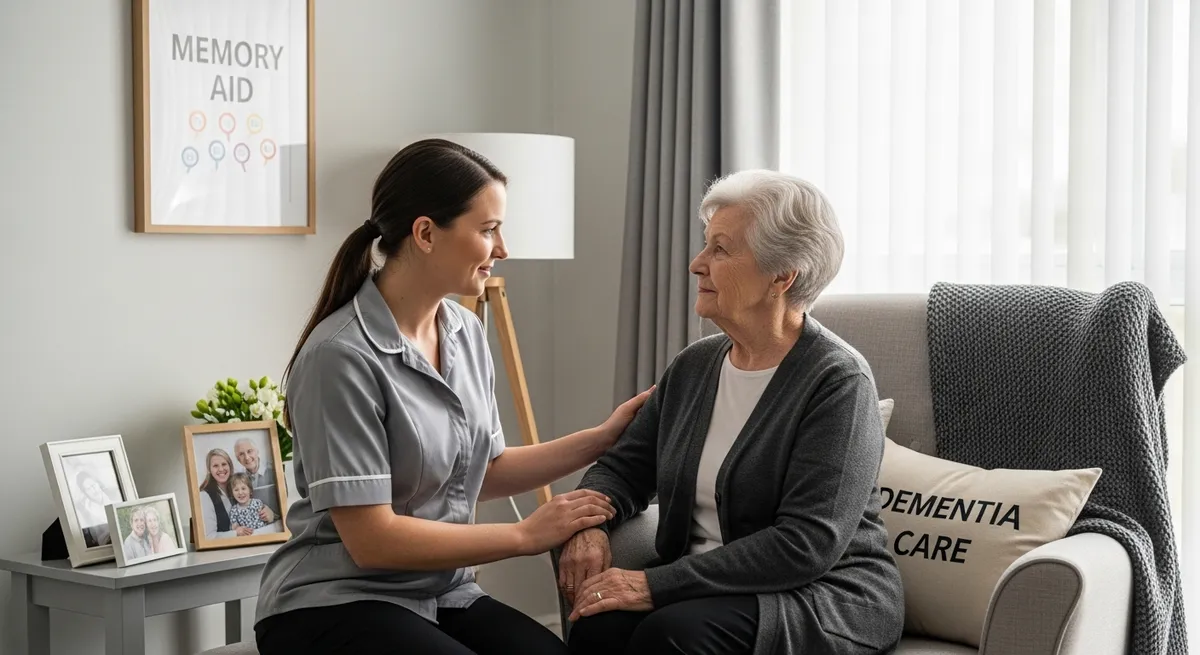
Dementia care goes far beyond medication and daily routines. Families are often shocked to learn that over 700,000 people in the UK act as primary carers for someone with dementia, feeling the emotional and physical weight as much as their loved ones do. Yet the surprising truth is that the best dementia care is not just about managing symptoms, but about preserving identity and dignity every single day.
Table of Contents
Quick Summary
Takeaway | Explanation |
Personalised care is essential in dementia support | Tailoring care strategies to individual preferences helps maintain dignity and quality of life throughout cognitive decline. |
Emotional support is critical for families | Caregivers face emotional strain; understanding their challenges is vital for providing effective support and respite. |
Collaboration enhances dementia care | Involving families and professionals ensures care is compassionate and respects the individual’s identity and needs. |
Holistic approach addresses physical and emotional needs | A comprehensive strategy that combines medical, emotional, and social support improves overall quality of life. |
Resources are key for effective dementia care | Accessing professional and community resources empowers families, ensuring comprehensive support throughout the caregiving journey. |
Defining Dementia Care: Understanding the Basics
Dementia care represents a comprehensive and compassionate approach to supporting individuals experiencing progressive cognitive decline. Understanding what is dementia care requires recognising it as more than just medical treatment—it is a holistic strategy designed to maintain quality of life, dignity, and personal autonomy for those affected by neurodegenerative conditions.
The Core Principles of Dementia Care
At its heart, dementia care focuses on personalised support that adapts to an individual’s changing needs and cognitive capabilities. Our comprehensive dementia care guide highlights several fundamental principles that distinguish exceptional dementia support:
Preserving individual identity and personal history
Maintaining emotional connections and social engagement
Creating safe and supportive environments
Promoting independence wherever possible
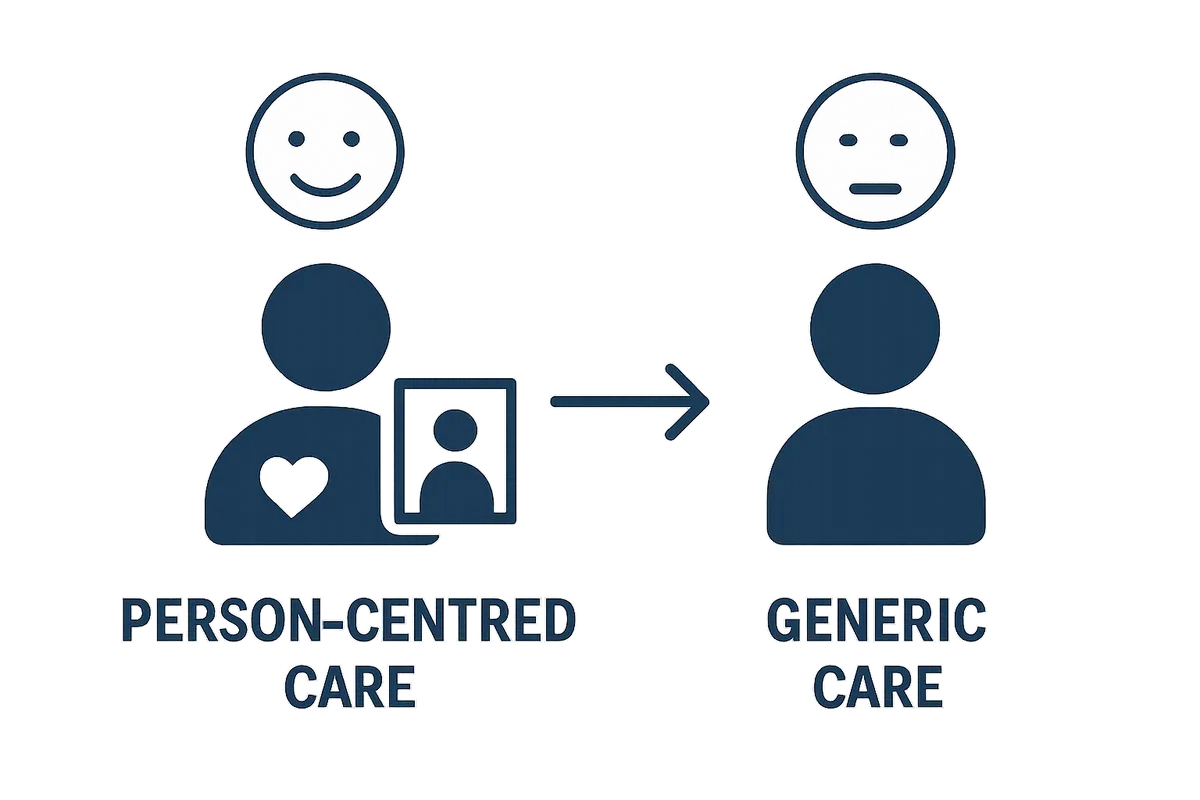
According to research from the Alzheimer’s Society, person-centred care becomes crucial in dementia support. This approach means recognising each person as a unique individual with distinct preferences, experiences, and emotional needs, rather than treating them solely as a medical case.
Understanding the Comprehensive Nature of Support
Dementia care encompasses multiple interconnected dimensions beyond medical intervention. It involves physical support, emotional reassurance, cognitive stimulation, and creating environments that help individuals feel secure and valued. Professionals working in this field must possess not just medical knowledge, but also deep empathy, patience, and communication skills.
Key aspects include managing daily living activities, providing medication support, ensuring safety, facilitating social interactions, and helping individuals maintain a sense of purpose and dignity. The goal is not just managing symptoms, but enhancing overall quality of life and preserving the individual’s sense of self throughout their cognitive journey.
To support understanding of the different dimensions of dementia care, the table below summarises the core principles and goals, as described in the article.
Core Principle | Description |
Preserving individual identity | Recognising and honouring each person’s unique history, preferences, and sense of self |
Maintaining emotional connections | Ensuring ongoing engagement with loved ones and social contacts |
Creating safe and supportive environments | Adapting surroundings to maximise safety, comfort, and familiarity |
Promoting independence | Facilitating autonomy and enabling the individual to participate in decisions where possible |
Providing emotional reassurance | Offering consistent support to address emotional vulnerabilities and changing needs |
Supporting cognitive stimulation | Encouraging activities that help maintain cognitive function and a sense of purpose |
Managing daily living activities | Assisting with routines such as nutrition, hygiene, and medication in a respectful manner |
The Importance of Dementia Care for Families and Caregivers
Caring for a loved one with dementia represents an emotionally complex and profoundly challenging journey that extends far beyond medical treatment. Families and caregivers become essential partners in maintaining the quality of life and dignity of individuals experiencing cognitive decline, requiring comprehensive support and understanding.
Emotional and Psychological Impact
The role of family caregivers is emotionally demanding and often overwhelming. Witnessing a loved one gradually lose cognitive abilities can trigger profound feelings of grief, stress, and helplessness. Understanding why home care agencies matter becomes crucial in providing much-needed respite and professional support during this challenging period.
According to research from the Alzheimer’s Society, the psychological strain on family caregivers can be significant. Potential challenges include:
Emotional exhaustion and potential burnout
Increased risk of depression and anxiety
Financial pressures from reduced work capacity
Social isolation and reduced personal time
Complex relationship dynamics as care needs evolve
Professional Support and Family Collaboration
Effective dementia care requires a collaborative approach that integrates professional expertise with family insights. Healthcare professionals recognise that families possess unique knowledge about their loved one’s personal history, preferences, and behavioral patterns. This collaborative model ensures more personalised, compassionate care that respects the individual’s identity and maintains their sense of dignity.
The ultimate goal is not just managing symptoms, but creating a supportive ecosystem that nurtures the emotional well-being of both the person with dementia and their family caregivers.
Below is a table highlighting the emotional and psychological challenges faced by family caregivers, referenced in the article, to clearly present the types of strains experienced on this journey.
Challenge | Explanation |
Emotional exhaustion and burnout | Ongoing stress of caregiving can lead to depleted energy and motivation |
Increased risk of depression | Persistent emotional demands raise the likelihood of mental health issues |
Anxiety | Uncertainty about progression and care needs generates ongoing worry |
Financial pressures | Reduced work capacity can cause economic hardship |
Social isolation | Demanding care role often limits time for social activities |
Evolving relationship dynamics | Role changes and stress can alter traditional family or partner bonds |
Key Approaches to Effective Dementia Care
Dementia care requires a nuanced, multifaceted approach that recognises the unique challenges individuals face during cognitive decline. Rather than applying a standardised treatment model, professionals must develop flexible, personalised strategies that adapt to each person’s changing needs and preserve their sense of dignity and autonomy.
Personalised Care Planning
Individualised support becomes the cornerstone of effective dementia care. This approach means moving beyond generic interventions and creating tailored strategies that respect each person’s background, preferences, and current cognitive capabilities. Explore our essential home care planning tips to understand how comprehensive planning can transform care experiences.
According to research from the Alzheimer’s Society, successful dementia care involves several critical components:
Recognising individual life histories and personal narratives
Developing flexible communication strategies
Creating environments that feel familiar and secure
Promoting meaningful engagement and social connections
Maintaining cognitive stimulation through targeted activities
Holistic Support Strategies
Effective dementia care transcends medical treatment, encompassing emotional, psychological, and social dimensions. Professionals must view care as a comprehensive ecosystem that supports not just the individual with dementia, but their entire support network. This holistic approach involves collaboration between healthcare providers, family members, and community resources.
The ultimate goal is maintaining quality of life, preserving personal identity, and providing compassionate support that acknowledges the complex emotional landscape of dementia. By implementing adaptive, person-centred strategies, caregivers can help individuals navigate cognitive changes with dignity, respect, and continued sense of purpose.
Understanding the Emotional and Physical Needs in Dementia Care
Dementia care demands a comprehensive understanding of the intricate balance between emotional well-being and physical health. As cognitive decline progresses, individuals experience profound changes that impact both their psychological state and bodily functions, requiring a holistic approach that addresses these interconnected dimensions.
Emotional Landscape of Dementia
Emotional needs often become the most vulnerable aspect of dementia care. Individuals experiencing cognitive decline frequently encounter complex emotional challenges, including confusion, frustration, anxiety, and a diminishing sense of self. Are you looking for dementia care in the OX14 area? Understanding these emotional nuances becomes crucial for providing compassionate support.
According to research from the NHS, emotional support in dementia care involves several critical considerations:
Maintaining emotional connections and communication
Reducing feelings of isolation and vulnerability
Preserving individual dignity and personal identity
Providing consistent emotional reassurance
Managing potential mood fluctuations and emotional distress
Physical Care and Holistic Support
Physical care in dementia goes beyond routine medical management. It encompasses creating environments that support safety, comfort, and continued engagement. Caregivers must develop strategies that address mobility challenges, nutrition, personal hygiene, and potential sensory impairments while simultaneously preserving the individual’s sense of autonomy and personal dignity.
The most effective dementia care recognises that emotional and physical needs are deeply intertwined. By providing comprehensive, compassionate support that addresses both psychological and physiological dimensions, caregivers can help individuals maintain their quality of life, sense of self, and personal dignity throughout their cognitive journey.
Resources and Support Systems in Dementia Care
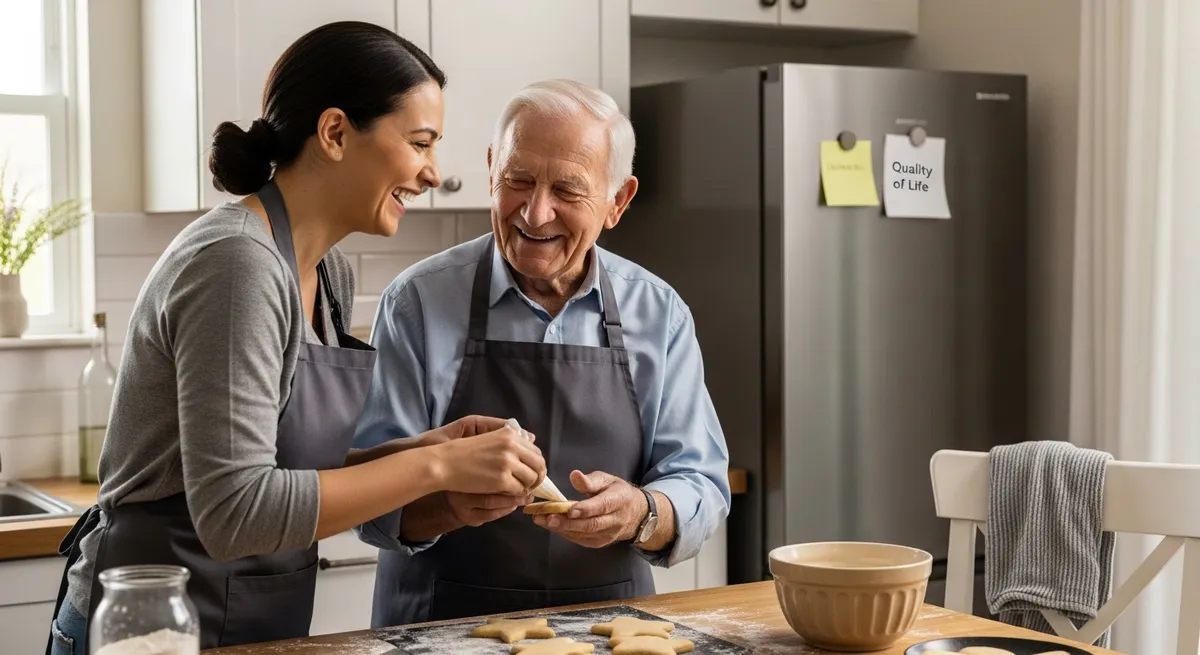
Navigating dementia care requires comprehensive access to specialised resources and robust support systems that empower families and caregivers throughout their challenging journey. Understanding the available support mechanisms becomes crucial in managing the complex emotional, practical, and medical challenges associated with progressive cognitive decline.
Professional Support Networks
Professional support forms the foundation of effective dementia care strategies. These networks encompass multidisciplinary teams dedicated to providing holistic assistance across medical, psychological, and social domains. Learn more about our comprehensive dementia care approaches and discover how professional support can transform care experiences.
According to research from the Alzheimer’s Society, essential professional support resources include:
Specialised dementia care nurses and healthcare professionals
Memory assessment services and diagnostic support
Occupational therapy and rehabilitation programmes
Psychological counselling and emotional support services
Respite care and short-term placement options
Community and Family Support Mechanisms
Beyond professional interventions, community and family support systems play a pivotal role in managing dementia care. These networks provide emotional sustenance, practical assistance, and social connection that are fundamental to maintaining quality of life. Peer support groups, local community organisations, and family counselling services create essential safety nets that help individuals and families navigate the complexities of cognitive decline.
The most effective support systems recognise that dementia care is not a solitary journey but a collaborative process involving healthcare professionals, family members, community resources, and the individual experiencing cognitive changes. By creating interconnected, compassionate support networks, we can ensure dignified, personalised care that addresses the multifaceted needs of those living with dementia.
Discover Personalised Dementia Care for Your Loved Ones
Caring for a family member with dementia is a journey that can feel overwhelming and isolating. If you are struggling to balance emotional support, daily routines and the unique needs highlighted in our article, you deserve an experienced partner who truly understands person-centred dementia care. At Chamomile Care, we translate compassionate principles into everyday practice, preserving dignity, individuality and peace of mind for families in Oxfordshire. Read more about how we approach dementia care and see why our tailored solutions stand apart.
If you want professional support that recognises your family’s history and values, connect with Chamomile Care today. Our team is proudly rated Outstanding by the CQC, and our approach is shaped by over forty years of experience. Visit our main site to discover how our home care process works or reach out for a confidential conversation. The earlier you seek guidance, the sooner your loved one’s quality of life can improve.
Frequently Asked Questions
What is dementia care?
Dementia care is a comprehensive approach to supporting individuals with progressive cognitive decline, focusing on personalised support that maintains quality of life, dignity, and personal autonomy.
How can family members support a loved one with dementia?
Family members can support loved ones by providing emotional reassurance, maintaining communication, engaging in social activities, and collaborating with healthcare professionals to create a personalised care plan.
What are the key principles of effective dementia care?
Effective dementia care principles include preserving individual identity, promoting emotional connections, creating safe environments, and encouraging independence as much as possible.
Why is person-centred care important in dementia support?
Person-centred care is crucial because it acknowledges each individual’s unique preferences and needs, ensuring that care is tailored to enhance the individual’s overall quality of life and maintain their sense of self.
Recommended


Comments