
7 Examples of Elderly Support for Families and Caregivers


Elderly support is an issue touching nearly every family. With structured support systems lowering hospital admissions by as much as 45 percent, you might think medical intervention is the answer to everything. Yet the real key lies in creating environments rich with personal connection, dignity, and autonomy, sparking a transformation in how we care for ageing loved ones.
Table of Contents
Quick Summary
Takeaway | Explanation |
Personalised care enhances elderly wellbeing | Tailoring support to individual needs boosts dignity, respect, and overall quality of life for seniors. |
Home care services provide independence | Professional assistance at home allows elderly individuals to maintain autonomy while receiving necessary support. |
Technology improves elderly safety and connection | Smart devices and communication tools enhance monitoring and social engagement, helping reduce isolation. |
Community resources foster social engagement | Local programs and support services encourage interaction, preventing feelings of loneliness among seniors. |
Family involvement is essential in caregiving | Active family participation improves care quality, emotional support, and decision-making for elderly loved ones. |
1: Understanding the Importance of Elderly Support
Elderly support represents a critical aspect of compassionate community care, recognising the unique challenges faced by older individuals and their families. As people age, maintaining independence and quality of life becomes increasingly complex, requiring comprehensive assistance that goes beyond basic medical needs.
Supportive care for elderly individuals involves addressing multiple dimensions of their wellbeing. These include physical health, emotional stability, social connectivity, and personal autonomy. Families and caregivers play a pivotal role in creating environments that promote dignity, respect, and comprehensive care.
Key considerations for effective elderly support include:
Personalised care approaches that respect individual preferences and capabilities
Holistic assessment of physical, mental, and emotional health requirements
Maintaining social connections to prevent isolation and promote mental wellness
The significance of elderly support extends far beyond immediate care needs. Research from Age UK indicates that structured support systems can significantly improve quality of life, reduce hospital admissions, and enhance overall wellbeing for seniors.
Understanding the multifaceted nature of elderly support requires recognising that each individual has unique requirements. Some older adults might need assistance with daily living activities, while others may require more specialised medical interventions or emotional support.
Community involvement and family engagement are fundamental in creating robust support networks. By developing comprehensive care strategies that prioritise individual dignity and personal autonomy, we can ensure that elderly individuals receive the respect and assistance they deserve during their later life stages.
Moreover, effective elderly support is not just about providing services but creating meaningful connections that preserve an individual’s sense of identity, purpose, and self-worth. This approach transforms care from a transactional service to a compassionate, human-centred experience.
2: Home Care Services: Professional Help at Hand
Home care services represent a compassionate and flexible solution for families seeking professional support for their elderly loved ones. These services provide personalised assistance that allows seniors to maintain their independence while receiving expert care within the comfort of their own homes.
Our guide on understanding home care agencies highlights the crucial role these professional services play in supporting vulnerable individuals and their families. Professional home care services encompass a wide range of support tailored to individual needs.
Key aspects of home care services include:
Personal care assistance such as bathing, dressing, and grooming
Medication management and healthcare coordination
Companionship and emotional support
Household management including cleaning and meal preparation
Research from the Care Quality Commission indicates that professional home care services can significantly improve quality of life for elderly individuals, offering not just practical support but also crucial social interaction and emotional wellbeing.
Professional Care Workers undergo extensive training to provide compassionate and skilled assistance. They are equipped to handle complex care requirements, from supporting individuals with mobility challenges to providing specialised dementia care. These professionals work closely with families to develop personalised care plans that respect the dignity and preferences of each individual.
The flexibility of home care services allows families to choose the level of support that best suits their loved one’s needs. Whether it is a few hours of assistance per week or round-the-clock care, professional home care providers can adapt their services to changing requirements.
Moreover, home care services offer peace of mind for families, knowing that their elderly relatives are receiving professional, reliable, and compassionate support. By prioritising individual needs and maintaining a sense of independence, these services bridge the gap between medical care and personal comfort.
3: Technology-Assisted Living Solutions
Technology has transformed elderly support, offering innovative solutions that enhance safety, independence, and communication for seniors and their families. Modern technological interventions provide sophisticated ways to monitor health, ensure personal security, and maintain social connections.
Our guide on home care planning recognises the growing importance of integrating technological solutions into elderly care strategies. These advanced tools bridge critical gaps in traditional care approaches.
Emerging technological solutions for elderly support include:
Smart home monitoring systems that detect falls and unusual activity patterns
Medication reminder devices with automated dispensing mechanisms
Wearable health trackers monitoring vital signs and movement
Video communication platforms facilitating family connections
Research from the Telecare Services Association demonstrates that technology-assisted living solutions can reduce emergency hospital admissions by up to 45% and support seniors in maintaining independence.
Remote monitoring technologies enable real-time health tracking, providing families and caregivers with immediate insights into an elderly individual’s wellbeing. GPS tracking devices offer additional safety features, allowing family members to understand their loved one’s location and movement patterns.
Smart home technologies go beyond simple monitoring, integrating voice-activated assistants, automated lighting, and temperature control systems. These innovations create safer, more comfortable living environments that adapt to individual needs and preferences.
Digital communication platforms have become particularly crucial, especially for seniors living independently or in care facilities. Video calling applications, social media, and specialised senior communication tools help combat social isolation and maintain important familial connections.
While technology offers remarkable support, it is essential to implement these solutions sensitively, ensuring they complement rather than replace human interaction and personalised care. The goal is to enhance elderly individuals’ quality of life while respecting their autonomy and personal preferences.
4: Community Resources for Seniors
Community resources play a vital role in supporting elderly individuals, offering comprehensive support systems that extend far beyond traditional care models. These resources create interconnected networks designed to enhance seniors’ quality of life, social engagement, and overall wellbeing.
Our comprehensive personal care guide highlights the importance of holistic community support for seniors. Local resources provide essential services that address physical, emotional, and social needs.
Key community resources for seniors include:
Senior community centres offering social activities and educational programmes
Local health workshops providing preventative healthcare information
Transportation assistance for medical appointments and social outings
Meal delivery services supporting nutritional needs
Research from Age UK indicates that community engagement significantly reduces feelings of isolation and improves mental health among elderly populations.
Many local councils and charitable organisations develop targeted programmes specifically designed for senior citizens. These initiatives range from free health screenings and exercise classes to social clubs and educational workshops that promote active ageing.
Volunteer networks form another crucial aspect of community support, connecting seniors with compassionate individuals who provide companionship, practical assistance, and emotional support. These connections help combat loneliness and create meaningful social interactions.
Financial support resources also play a critical role, offering guidance on benefits, pension schemes, and financial planning. Specialised advisors help seniors navigate complex administrative processes, ensuring they receive appropriate entitlements and support.
Community libraries, local churches, and neighbourhood groups often create inclusive environments that welcome seniors, providing spaces for social interaction, learning, and personal growth. These resources demonstrate that support extends beyond medical care, focusing on maintaining dignity, independence, and social connectivity for elderly individuals.
5: Engaging Seniors with Social Activities
Social engagement represents a critical component of elderly wellbeing, offering profound benefits that extend far beyond simple entertainment. Meaningful activities can dramatically improve mental health, cognitive function, and overall quality of life for seniors.
Our guide on home care planning recognises the importance of integrating social interactions into elderly care strategies. These activities are not merely pastimes but essential elements of holistic health maintenance.
Effective social activities for seniors should consider:
Low-impact physical activities that promote mobility and fitness
Cognitive stimulation through games, learning, and creative pursuits
Intergenerational programmes connecting seniors with younger generations
Technology-enabled social connections with friends and family
Research from the National Institute on Aging demonstrates that consistent social engagement can reduce the risk of depression, cognitive decline, and physical health deterioration among older adults.
Creative pursuits offer remarkable opportunities for seniors to express themselves and maintain cognitive flexibility. Art classes, music workshops, and craft groups provide structured environments where individuals can learn new skills, share experiences, and build meaningful connections.
Technology has expanded social engagement possibilities, enabling seniors to participate in virtual book clubs, online learning platforms, and video communication groups. These digital spaces break down geographical barriers, allowing seniors to connect with peers and family members regardless of physical distance.
Structured group activities like gentle exercise classes, gardening clubs, and cooking workshops create supportive environments that encourage interaction while promoting physical and mental stimulation. These programmes recognise that social engagement is not about intensity but consistent, enjoyable participation.
Ultimately, engaging seniors with social activities is about recognising their ongoing potential for growth, learning, and connection. By providing diverse, inclusive, and adaptive social opportunities, we honour seniors’ experiences while supporting their continued personal development and emotional wellbeing.
6: Family Involvement in Caregiving
Family involvement represents a cornerstone of effective elderly care, creating a supportive environment that balances professional assistance with personal emotional connection. When families actively participate in caregiving, seniors experience enhanced quality of life and a deeper sense of belonging.
Our comprehensive personal care guide emphasises the critical role families play in supporting elderly loved ones through collaborative care approaches. Understanding and implementing supportive strategies can transform the caregiving experience.
Key aspects of positive family involvement include:
Open communication about care preferences and health needs
Emotional support that maintains senior dignity and autonomy
Shared decision-making regarding healthcare and lifestyle choices
Regular health monitoring and coordination with professional caregivers
Research from the Carers Trust indicates that families who develop structured, compassionate caregiving approaches experience significantly lower stress levels and better overall care outcomes.
Successful family involvement requires balanced emotional and practical support. This means recognising the individual’s changing needs while respecting their independence. Families must learn to provide assistance without overwhelming or undermining the senior’s sense of self-worth.
Professional training and support groups can help families develop effective caregiving skills. Learning about age-related health challenges, communication techniques, and stress management enables family members to provide more nuanced, empathetic care.
Technology and professional home care services can support family caregivers by offering respite, additional resources, and expert guidance. By creating a collaborative network that includes professional caregivers, family members can share responsibilities and maintain their own wellbeing.
Ultimately, family involvement in caregiving is about creating a holistic support system that recognises the unique dignity, preferences, and potential of each elderly individual. It requires patience, understanding, and a commitment to maintaining meaningful connections throughout the ageing process.
7: Financial and Legal Support for Elderly Care
Financial and legal support form critical components of comprehensive elderly care, providing families with essential frameworks to navigate complex healthcare and financial challenges. Understanding these support mechanisms helps families protect their loved ones’ interests and ensure dignified, secure care options.
Our guide on home care planning recognises the intricate landscape of financial and legal considerations for elderly support. Proactive planning can prevent future complications and provide peace of mind.
Critical financial and legal support elements include:
Power of attorney documentation for healthcare and financial decisions
Benefits assessment for government and local authority support
Care funding options including private and public resources
Estate planning to protect family assets and inheritance
Research from Citizens Advice reveals that families who engage early with financial and legal planning experience significantly smoother care transitions and reduced emotional stress.
Lasting power of attorney provides crucial protection, enabling trusted individuals to make decisions on behalf of seniors who may lose capacity to manage their own affairs. This legal mechanism ensures continuous, responsible management of personal and financial matters.
Government benefits and support programmes offer essential financial assistance. Local councils provide means-tested support, attendance allowances, and personalised care funding assessments. Families must proactively explore these resources to maximise available support.
Legal protections extend beyond financial matters, encompassing healthcare wishes, residential care arrangements, and personal autonomy. Advanced care directives allow individuals to specify their preferred medical treatments and end-of-life care preferences, ensuring their wishes are respected.
Navigating these complex systems requires patience, research, and often professional guidance. Financial advisors specialising in elderly care can provide tailored strategies that balance immediate care needs with long-term financial sustainability. By understanding and leveraging these support mechanisms, families can create comprehensive, compassionate care frameworks that prioritise their loved ones’ wellbeing and dignity.
Below is a comprehensive table summarising the key examples, benefits, and outcomes of elderly support for families and caregivers, providing readers with an actionable overview of the article’s main topics.
Aspect of Elderly Support | Key Points and Approaches | Main Benefits & Outcomes |
Personalised Care & Holistic Support | Tailored plans addressing physical, mental, emotional, and social needs; respect for autonomy and dignity | Enhanced wellbeing, increased independence, reduced hospital admissions, improved quality of life |
Home Care Services | Professional assistance at home with personal care, medication, household tasks, companionship | Maintains independence, flexible care provision, peace of mind for families |
Technology-Assisted Living Solutions | Use of smart home monitoring, medication reminders, health trackers, video communication | Increased safety, real-time health insights, reduced isolation, boosts autonomy and social contact |
Community-Based Resources | Access to senior centres, health workshops, transport, meals, social and volunteer programmes | Fosters connections, combats loneliness, provides practical and emotional support |
Social Engagement & Activities | Physical, creative, intergenerational, and online activities to stimulate mind and body | Improves mental health, prevents cognitive decline, encourages ongoing growth and purpose |
Family Involvement in Caregiving | Open communication, shared decisions, supportive training, partnership with professionals | Higher quality of care, emotional reassurance, strengthened relationships |
Financial & Legal Planning | Power of attorney, benefits guidance, care funding, estate and advanced care planning | Reduces stress, protects interests, ensures continuity of care, smoother transitions |
Partner with Chamomile Care for Outstanding Elderly Support
If you are feeling overwhelmed by the many aspects of elderly care, you are not alone. The article highlights challenges such as maintaining dignity, managing complex conditions like dementia or Parkinson’s, and finding compassionate personal care and medication support. Families often struggle to balance professional expertise with genuine, human connection. These pain points can make it difficult to ensure loved ones receive truly tailored and safe care at home.
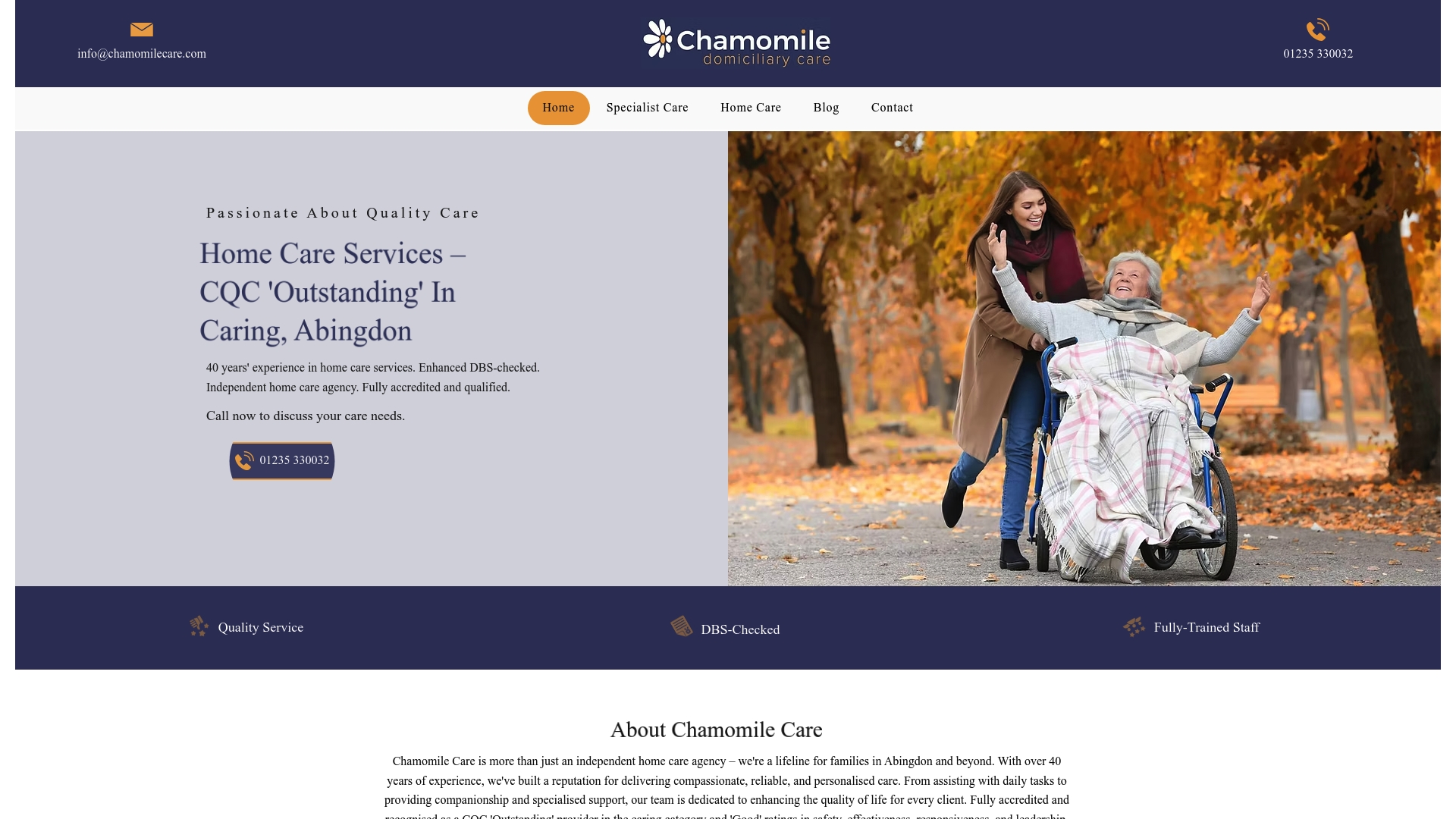
Experience the peace of mind that comes from an Outstanding-rated home care agency. At Chamomile Care, our experienced team goes beyond basic care to deliver fully personalised solutions based on each individual’s needs. Our personal care services are designed to protect independence while giving families relief and reassurance. Discover why we are trusted throughout Abingdon for over forty years. Act now and connect with us through https://chamomilecare.com to discuss how we can support your family with dignity, respect and quality.
Frequently Asked Questions
What are the key components of elderly support?
Elderly support includes personalised care approaches, holistic assessment of health, maintaining social connections, and providing emotional stability, all aimed at enhancing quality of life for seniors.
How can home care services benefit elderly individuals?
Home care services offer personalised assistance with daily activities, medication management, companionship, and household management, allowing seniors to maintain independence in their own homes while receiving expert care.
What role does technology play in elderly support?
Technology can enhance elderly support through smart home monitoring systems, medication reminders, wearable health trackers, and video communication tools, promoting safety, health monitoring, and social connectivity for seniors.
Why is family involvement important in caregiving?
Family involvement enhances the quality of care by providing emotional support, facilitating open communication about health needs, and participating in shared decision-making, which helps maintain the dignity and autonomy of elderly loved ones.
Recommended


Comments